
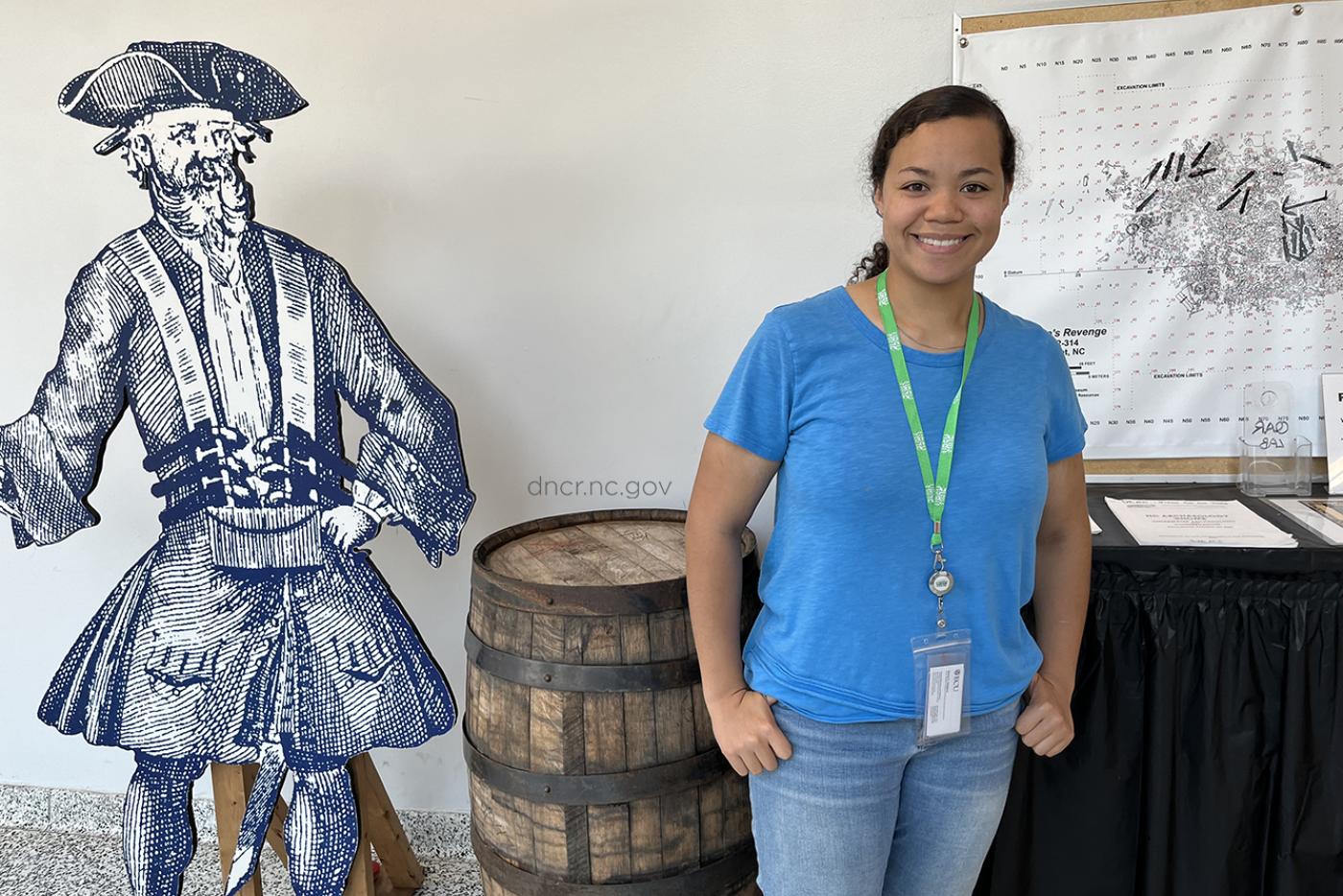
I am Bronte Weatherford, and I majored in Fine Arts at North Carolina Central University. I spent summer 2025 as a QAR lab intern for the Department of Natural and Cultural Resources. As in my last post, my goal in applying to areas different from art-related fields is to gain a variety of experiences for inspiration. Even though I worked in the lab in summer of 2024 too, I applied again because I had such a wonderful experience there. The second reason was I felt like I left too soon to fully learn about the history and the significance of archeology. I just had to come back!
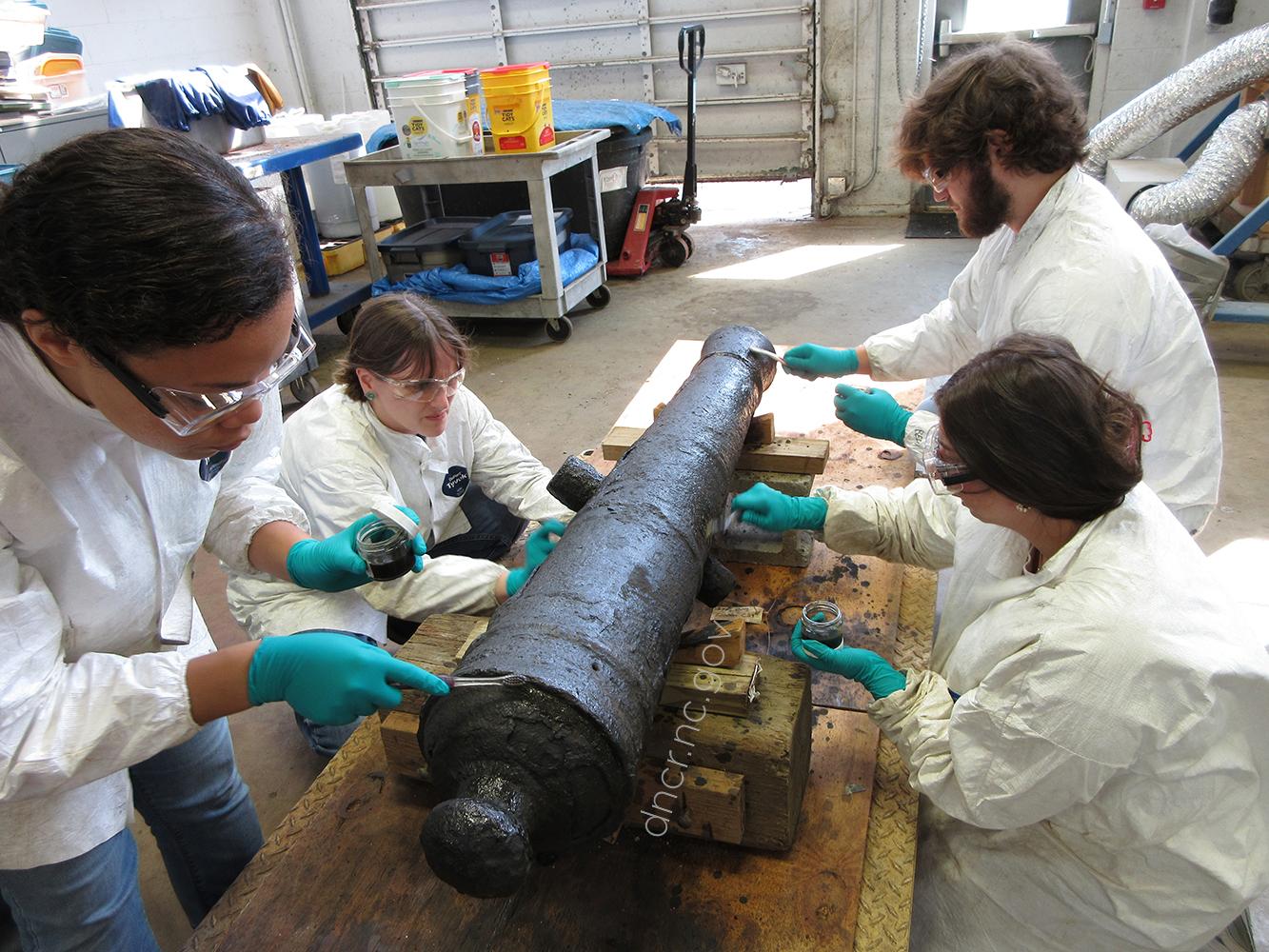
Understandably, the first few days back in the lab were a bit challenging since I had to remember everything I learned last summer. I had not done any activities related to archeology since departing from the lab, so it was helpful to start from square one. After days had passed, I was able to recall the basics. Since this was my second summer, I was given tasks that required more experience. For example, I was in charge of maintaining the humidity in the room housing organic artifacts, and I helped other new interns with photography. I was happy to be given the opportunity!
As I continued my days, I observed closely the agency’s aim and methods of public education. During tours, staff provided precise details of the pirate era, explaining the findings from the ship’s wreckage. The explanations had no sign of bias or favoritism toward any particular side; just honest history that people can understand. Aside from education, I’ve learned that the employees strive to keep the building eco-friendly. The solutions were always tested before being discarded, and hazardous chemicals are always secured. It is obvious the area is eco-safe by the scene of greenery around the building, as well as the creatures I encountered around the site.
Even though the internship was in an archeological field, I can see how art is associated with it at the same time. For example, some of the artifacts have been duplicated by casting and would be painted the exact color of the originals. Photographing isn’t just taking pictures of each piece. The background needs to be set up neatly, and the brightness gets adjusted to the right lighting, enough to show the artifact’s details, but not so much that it washes it out. Even the camera lens requires a few adjustments until the focus is perfect. Right after photographing comes photo editing to make the picture labeled and resized.
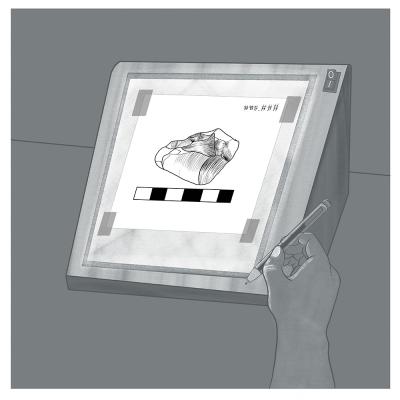
The task I thought was most artistic was illustration. Illustration is not just about drawing what the artifact looks like; it’s about drawing the exact piece as accurately as possible. Depending on the material, the brush stroke must be in a certain way, either in lines, crosshatching, or stippling. It may not sound like much, but it makes a huge difference. Every detail is captured.
Like last year, I had a wonderful time participating in this internship! I enjoyed the people I reunited with and getting to know others I hadn’t met. What was different this summer was the knowledge I obtained. The first summer in 2024, I couldn’t fully understand the history since I was more focused on keeping up with the tasks. This time, I was able to learn more about the past, the purpose of each artifact, and the importance of preserving, along with recording data as much as possible, before the item disintegrates. Even though my internship ended, I am excited to come back and visit sometime!
Images
-Main Image: Bronte getting ready for a lab tour. Image by NC Department of Natural and Cultural Resources.
-Bronte (left) and our other summer interns applying final coatings to a cannon. Image by NC Department of Natural and Cultural Resources.
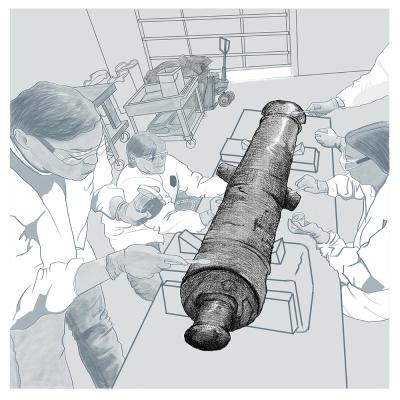
-Bronte used her Fine Arts background to draw some of the activities she undertook, including coating a cannon and artifact illustration. Drawings by Bronte Weatherford, used with permission.
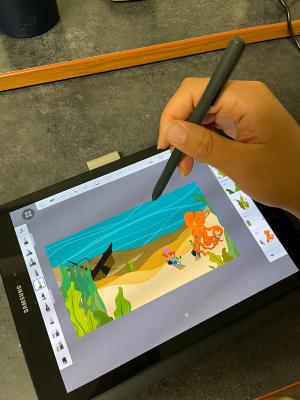
-Bronte’s drawing of the sea floor. Drawing by Bronte Weatherford, used with permission.